Understanding Ferrite Inductors in Class D Amplifier Design:
Class D audio amplifiers continue to grow in popularity, powering everything from portable Bluetooth speakers to high-performance home audio systems. Their appeal is clear: they’re efficient, compact, and capable of delivering impressive sound.
But behind every great Class D amplifier is one small component that plays a big role — the output inductor.
Our latest application note introduces designers to how ferrite-based inductors fit into the Class D signal path and why they matter. Whether you’re new to Class D technology or simply exploring ways to get better audio performance, this guide offers a friendly, approachable overview of the fundamentals.
Why Focus on the Output Inductor?
In a Class D amplifier, the output inductor helps turn the amplifier’s high-frequency switching signal into clean, listenable audio. While that function sounds simple, choosing the right inductor can influence:
- Sound quality
- Power efficiency
- Thermal performance
- EMI behavior
Our application note walks through these ideas in a clear and accessible way — no heavy equations required.
What You’ll Learn in the Application Note
The document gives readers a practical look at:
- The role of ferrite materials in audio designs
- How inductors help maintain clean, stable audio output
- What matters most when selecting an inductor for a Class D amplifier
- A real-world example using a popular 150 W design
It’s a great starting point for engineers, product designers, and anyone who wants to understand the building blocks behind modern audio systems.
The 1D Series: Designed for Class D Amplifiers
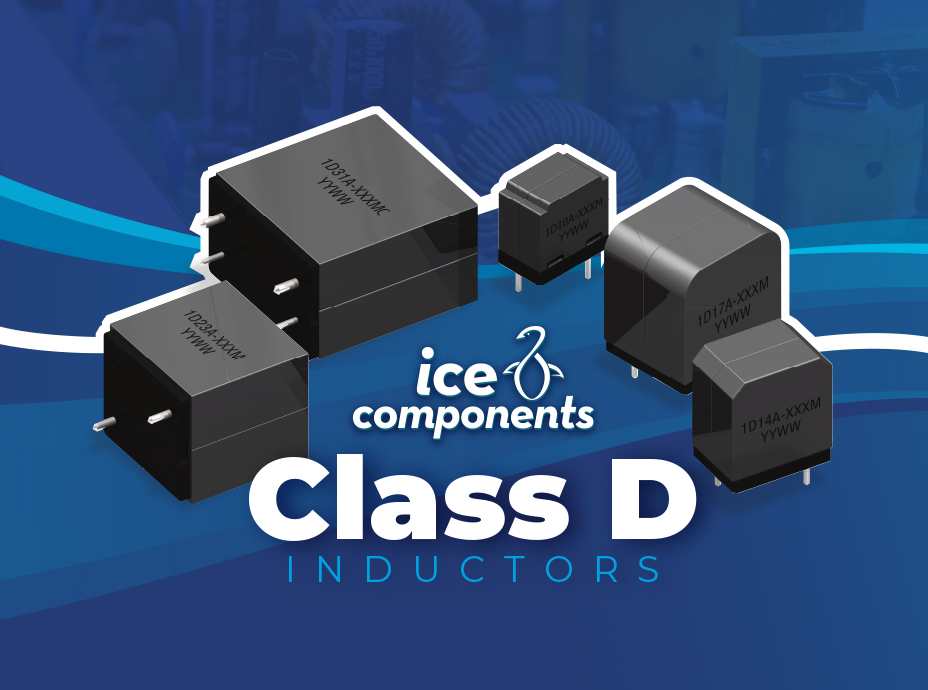
The application note also introduces our 1D Series inductors, created specifically for Class D audio applications. With compact form factors, high reliability, and materials optimized for switching-audio performance, the series gives designers a simple, dependable building block for new and existing projects.
Download the Full Application Note
If you’re looking for a straightforward, helpful introduction to output inductors in Class D amplifiers, this application note is a great place to begin.
Download: Applying Ferrite-Based Inductors in the Design of Class D Amplifiers
Go to Application Notes page.