- Home
- Inductors
- VRM/VRD Power Inductors
- VRM/VRD Inductors
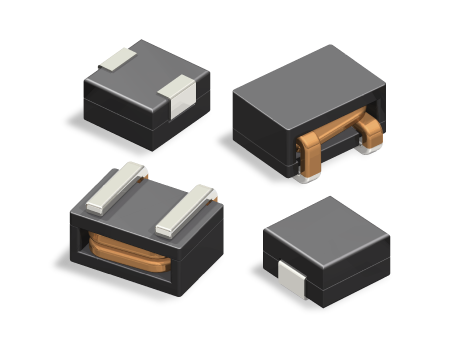
Key Features
- Low-DCR construction optimized for high-current VRM rails
- Broad inductance and current options for flexible power stages
- High current capability supporting multi-phase buck systems
- Compact footprint choices for dense PCB layouts
- Magnetic design minimizing losses and improving efficiency
- SMT or THT packages compatible with automated assembly
APPLICATIONS
- CPU and GPU VRM/VRD power stages
- Multi-phase buck converters in servers and high-performance computing
- Point-of-load (POL) modules on motherboards and embedded systems
- Telecom, networking, and data center power rails
- High-efficiency DC/DC converters in compact power supplies
- CPU and GPU VRM/VRD power stages
- Multi-phase buck converters in servers and high-performance computing
- Point-of-load (POL) modules on motherboards and embedded systems
- Telecom, networking, and data center power rails
- High-efficiency DC/DC converters in compact power supplies
| Part Number |
Competition | Ls(nH) | ISAT @125°C (ADC) |
ISAT @25°C (ADC) |
DCR (mΩ) |
Footprint (mm) |
Height (mm) |
Shielded | Samples Available |
|---|---|---|---|---|---|---|---|---|---|
| IN06090 | 600 | 26.0 | 1.26 | 10.6 x 8.7 | 6.00 | N |  |
||
| IN08074 | 8500 | 11.0 | 7.8 | 11.20 | 15.2 x 13.0 | 10.00 | Y | |
|
| IN08075 | 10000 | 11.0 | 7.6 | 7.50 | 18.2 x 13.3 | 10.00 | Y | |
|
| IN06092 | 300 | 30.0 | 25.0 | 0.48 | 11.0 x 8.0 | 7.00 | N | |
|
| IN06073-1 | 150 | 58.0 | 0.22 | 10.5 x 10.0 | 7.50 | N | |
||
| IN08082 | 840 | 39.0 | 30.0 | 1.30 | 12.4 x 12.5 | 6.90 | Y | |
|
| IN08087 | 1400 | 20.5 | 16.0 | 3.40 | 10.4 x 8.7 | 5.55 | Y | |
|
| IN08091 | 215 | 50.0 | 39.0 | 0.29 | 10.4 x 8.0 | 7.50 | N | |
|
| IN08097 | 710 | 20.0 | 16.0 | 2.10 | 8.0 x 7.7 | 5.50 | Y | |
|
| IN08106 | 710 | 24.0 | 19.0 | 3.00 | 8.0 x 7.7 | 5.50 | Y | |
|
| IN06155 | 1000 | 19.0 | 2.30 | 10.0 x 8.0 | 5.60 | Y |

|
||
| IN06111 | 380 | 46.0 | 40.0 | 0.65 | 10.3 x 12.0 | 7.00 | Y | |
|
| IN08114 | 16000 | 4.5 | 3.5 | 13.50 | 10.3 x 8.0 | 8.00 | Y | |
|
| IN08122 | 600 | 50.0 | 37.0 | 1.30 | 12.4 x 12.5 | 5.70 | Y | |
|
| IN08124 | 320 | 48.0 | 40.0 | 0.45 | 13.1 x 13.0 | 8.00 | N | |
|
| IN08127 | 980 | 13.0 | 11.0 | 1.90 | 10.0 x 8.0 | 4.35 | Y | |
|
| IN06088 | 1000 | 16.0 | 2.50 | 10.0 x 8.0 | 4.80 | Y | |
||
| IN08080 | 150 | 34.0 | 27.0 | 0.26 | 9.0 x 7.0 | 4.00 | N | |
|
| IN08130 | 780 | 41.0 | 30.0 | 1.40 | 12.4 x 12.5 | 6.90 | Y | |
|
| IN08132 | 12500 | 5.8 | 4.5 | 13.50 | 10.3 x 8.0 | 8.00 | Y | |
|
| IN08133 | 100 | 85.0 | 75.0 | 0.80 | 10.0 x 8.0 | 4.25 | Y | |
|
| ICA2194 | 70 | 35.0 | 0.43 | 7.2 x 6.7 | 3.00 | N | |
||
| IN06017 | 380 | 50.0 | 42.0 | 0.55 | 10.3 x 12.0 | 7.80 | Y | |
|
| IN06073-2 | 120 | 72.0 | 0.22 | 10.5 x 10.0 | 7.50 | N | |
||
| IN06073-3 | 210 | 50.0 | 42.0 | 0.22 | 10.5 x 10.0 | 7.50 | N | |
|
| IN08078 | 300 | 34.0 | 25.0 | 0.29 | 11.0 x 7.2 | 7.50 | N | |
|
| IN08112 | 1000 | 19.0 | 15.0 | 2.00 | 10.4 x 8.7 | 5.60 | Y | |
|
| IN08147 | 380 | 45.0 | 38.0 | 0.43 | 10.3 x 12.8 | 8.40 | Y | |
|
| IN08128 | 150 | 75.0 | 61.0 | 0.29 | 11.0 x 7.2 | 7.60 | N | |
|
| IN08131 | 1500 | 17.0 | 14.0 | 2.40 | 10.3 x 8.0 | 6.70 | Y | |
|
| IN08134 | 1000 | 34.0 | 24.0 (@ +120°C) | 2.90 | 15.0 x 14.5 | 4.30 | Y | |
|
| IN09004 | 1000 | 34.0 | 27.0 | 3.00 | 10.4 x 11.2 | 8.00 | Y | |
|
| IN06117 | 240 | 50.0 | 45.0 | 0.17 | 13.5 x 13.0 | 7.10 | N | |
|
| IN08137 | 800 | 45.0 | 36.0 | 1.40 | 14.3 x 12.0 | 7.50 | Y | |
|
| IN08141 | 510 | 17.0 | 14.0 | 0.47 | 10.9 x 7.2 | 7.50 | N | |
|
| IN08144 | 59PR9884 (ViTec) |
470 | 30.0 | 24.0 | 0.50 | 11.2 x 11.2 | 9.00 | N | |
| IN08145 | 59PR8902 (ViTec) |
260 | 60.0 | 48.0 | 0.17 | 13.5x 13.0 | 8.00 | N | |
| IN08146 | 400 | 60.0 | 50.0 | 0.52 | 14.3 x 12.8 | 8.50 | Y | |
|
| IN09003 | 220 | 63.0 | 54.0 | 0.17 | 13.5 x 13.0 | 7.50 | N | |
|
| IN09011 | 380 | 42.0 | 35.0 | 0.65 | 10.3 x 11.6 | 6.30 | Y | |
|
| IN06130 | 660 | 27.0 | 22.0 | 1.15 | 10.3 x 8.0 | 6.20 | Y | |
|
| IN09020 | 1000 | 30.0 | 24.0 | 2.00 | 10.4 x 11.5 | 9.80 | Y | |
|
| IN09029 | 980 | 12.0 | 9.5 | 2.30 | 10.0 x 8.0 | 3.50 | Y | |
|
| IN09038 | 15000 | 8.8 | 22.00 | 13.8 x 13.0 | 6.60 | Y | |
||
| IN09044 | 59PR9883 (ViTec) |
325 | 44.0 | 35.0 | 0.50 | 11.2 x 11.2 | 9.10 | N | |
| IN09057 | 59PR9871N (ViTec) |
120 | 87.0 | 73.0 | 0.29 | 11.0 x 7.2 | 7.60 | N | |
| IN09059 | 1500 | 40.0 | 31.0 | 2.80 | 14.4 x 12.0 | 8.50 | Y | |
|
| IN09071 | 2000 | 10.0 | 5.80 | 7.7 x 7.1 | 5.20 | Y | |
||
| IN09106 | 500 | 56.0 | 46.0 | 0.95 | 12.4 x 11.0 | 8.00 | Y | |
|
| IN09141 | 8800 | 4.8 | 4.0 (@ +100°C) | 20.00 | 10.4 x 10.4 | 5.60 | Y | |
|
| IN10034 | 410 | 42.0 | 35.0 | 0.62 | 10.4 x 13.0 | 30 | Y | |
|
| IN10035 | 185 | 34.0 | 31.0 (@ +100°C) | 0.21 | 9.4 x 7.0 | 5.50 | N | |
|
| IN06144 | 40 | 40.0 | 0.32 | 4.0 x 4.0 | 4.00 | N | |
||
| IN10114 | 240 | 35.0 | 42.0 | 0.55 | 10.9 x 8.1 | 6.05 | Y | |
|
| IN10132 | 320 | 40.0 | 57.0 | 0.17 | 13.6 x 13.0 | 8.80 | N | |
|
| IN10154 | 250 | 57.0 | 70.0 | 0.17 | 13.6 x 13.0 | 8.80 | N | |
|
| IN11013 | 250 | 62.0 | 78.0 | 0.25 | 13.5 x 13.0 | 9.50 | N | |
|
| IN11015 | 220 | 37.0 | 47.0 | 0.52 | 10.6 x 11.0 | 8.10 | Y | |
|
| IN11026 | 2700 | 8.0 | 11.0 | 4.60 | 10.4 x 10.4 | 5.25 | Y | |
|
| IN11043 | 85 | 35.0 | 41.0 | 0.60 | 6.9 x 6.8 | 4.00 | N | |
|
| IN09101 | 1000 | 60.0 | 1.00 | 14.2 x 13.2 | 6.20 | Y | |
||
| IN12097 | 150 | 57.0 | 48.0 | 0.20 | 5.0 x 10.4 | 10.00 | Y | |
|
| IN06156 | 59P987x (ViTec) |
150 | 64.0 | 55.0 | 0.47 | 11.0 x 7.2 | 7.50 | N | |
| IN07002 | 620 | 27.0 | 22.0 | 0.60 | 10.4 x 13.0 | 5.60 | Y | |
|
| IN07004 | 660 | 28.0 | 25.0 | 1.25 | 10.3 x 8.1 | 6.60 | Y | |
|
| IN07023 | 900 | 24.0 | 1.00 | 13.0 x 11.0 | 6.00 | Y | |
||
| IN07028 | 85 | 75.0 | 57.0 | 0.55 | 7.6 x 7.4 | 7.00 | N | |
|
| IN07037 | 4600 | 32.0 | 32.0 | 4.30 | 13.7 x 13.1 | 7.50 | Y | |
|
| IN07038 | 4700 | 12.0 | 8.5 | 9.00 | 13.0 x 13.0 | 5.80 | Y | |
|
| IN07039 | 3200 | 15.0 | 11.0 | 6.20 | 13.0 x 13.0 | 5.80 | Y | |
|
| IN07049 | 59PR9052 (ViTec) |
500 | 19.0 | 15.0 | 50 | 8.0 x 7.7 | 4.50 | Y | |
| IN07056 | 380 | 46.0 | 40.0 | 0.65 | 10.4 x 13.0 | 6.00 | Y | |
|
| IN07066 | 40 | 8.0 | 0.24 | 4.1 x 4.0 | 2.00 | N | |
||
| IN07205 | 1000 | 19.0 | 16.0 | 2.30 | 9.5 x 8.0 | 6.00 | Y | |
|
| IN07200 | 500 | 60.0 | 45.0 | 1.30 | 12.4 x 10.4 | 12.4 x 10.4 | 6.60 | Y | |
| IN07196 | 50 | 80.0 | 70.0 | 0.30 | 10.0 x 8.1 | 4.05 | Y | |
|
| IN07185 | 7200 | 13.5 | 7.00 | 13.7 x 13.1 | 7.50 | Y | |
||
| IN07184 | 125 | 80.0 | 67.0 | 0.29 | 10.9 x 7.2 | 7.50 | N | |
|
| IN07182 | 1300 | 40.0 | 31.0 | 2.30 | 14.3 x 12.0 | 7.50 | Y | |
|
| IN07180 | 33000 | 8.0 | 2.70 | 27.9 x 28.0 | 16.60 | Y | |
||
| IN07176 | 510 | 45.0 | 36.0 | 0.60 | 14.3 x 12.3 | 8.00 | Y | |
|
| IN07175 | 400 | 60.0 | 48.0 | 0.60 | 14.3 x 12.3 | 8.00 | Y | |
|
| IN07159 | 30 | 65.0 | 52.0 | 0.32 | 4.2 x 4.0 | 4.10 | N | |
|
| IN07158 | 105 | 50.0 | 42.0 | 0.30 | 10.0 x 8.1 | 3.80 | Y | |
|
| IN07155 | 320 | 72.0 | 60.0 | 0.60 | 14.3 x 12.3 | 8.00 | Y | |
|
| IN07152 | 230 | 41.0 | 33.0 | 0.29 | 10.9 x 7.2 | 7.50 | N | |
|
| IN07151 | 150 | 63.0 | 54.0 | 0.29 | 10.9 x 7.2 | 7.60 | N | |
|
| IN07067 | 660 | 45.0 | 36.0 | 1.30 | 12.4 x 10.4 | 6.50 | Y | |
|
| IN07075 | 59PR8971 (ViTec) |
1200 | 13.5 | 10.6 | 4.00 | 8.0 x 7.7 | 4.35 | Y | |
| IN07085 | 59PR32-102 (ViTec) |
1000 | 33.0 | 26.0 | 1.50 | 10.4 x 13.0 | 7.50 | Y | |
| IN07087 | 1000 | 35.0 | 1.15 | 13.1 x 11.0 | 6.30 | Y | |
||
| IN07088 | 1000 | 25.0 | 1.25 | 13.0 x 11.0 | 6.00 | Y | |
||
| IN07089 | 9000 | 4.4 | 32.00 | 7.0 x 7.0 | 4.55 | Y | |
||
| IN07090 | 6000 | 5.3 | 19.00 | 7.0 x 7.0 | 5.00 | Y | |
||
| IN07101 | 410 | 57.0 | 48.0 | 0.80 | 14.3 x 12.3 | 7.00 | Y | |
|
| IN07116 | 59PR31-721 (ViTec) |
720 | 35.0 | 28.0 | 1.10 | 10.4 x 13.0 | 6.00 | Y | |
| IN07119 | 200 | 48.0 | 41.0 | 0.47 | 11.1 x 8.0 | 7.50 | N | |
|
| IN07121 | 1450 | 13.0 | 9.50 | 1.25 | 10.3 x 8.0 | 6.50 | Y | |
|
| IN07122 | 2000 | 13.5 | 9.5 | 2.40 | 10.3 x 8.0 | 6.65 | Y | |
|
| IN06104-1 | 330 | 28.0 | 22.0 | 0.50 | 10.5 x 8.9 | 5.00 | Y | |
|
| IN06114 | 59PR9873 (ViTec) |
220 | 41.0 | 31.0 | 0.47 | 11.0 x 7.2 | 7.50 | N | |
| IN06128 | 59P9891 (ViTec) |
1000 | 27.0 | 1.65 | 14.0 x 9.0 | 10.50 | Y | |
|
| IN06133 | 70 | 55.0 | 45.0 | 0.27 | 7.2 x 6.7 | 4.96 | N | |
|
| IN06143 | 22 | 70.0 | 0.32 | 4.0 x 4.0 | 4.10 | N | |
||
| IN06146 | 59PR51-700 (ViTec) |
70 | 85.0 | 69.0 | 0.55 | 7.6 x 7.4 | 7.00 | N | |
| IN07001 | 95 | 40.0 | 32.0 | 0.27 | 7.2 x 6.7 | 4.96 | N | |
|
| IN07003 | 400 | 40.0 | 33.0 | 0.60 | 10.4 x 13.0 | 5.00 | Y | |
|
| IN07013 | 59PR65-650 (ViTec) |
65 | 24.0 | 0.32 | 4.0 x 4.0 | 4.00 | N | |
|
| IN07024 | 180 | 41.0 | 32.0 | 0.40 | 11.0 x 8.0 | 4.90 | N | |
|
| IN07195 | 3600 | 10.5 | 8.5 | 6.30 | 10.0 x 8.0 | 7.00 | Y | |
|
| IN08006 | 6000 | 30.0 | 21.0 | 3.60 | 23.8 x 21.0 | 13.60 | Y | |
|
| IN08022 | 1000 | 33.0 | 26.0 | 1.50 | 10.4 x 11.4 | 8.00 | Y | |
|
| IN08032 | 220 | 48.0 | 40.0 | 0.32 | 12.0 x 8.0 | 7.90 | N | |
|
| IN08034 | 5000 | 9.0 | 6.5 | 6.80 | 10.3 x 8.0 | 6.65 | Y | |
|
| IN08035 | 6400 | 7.0 | 5.0 | 6.80 | 10.3 x 8.0 | 6.65 | Y | |
|
| IN08037 | 770 | 38.0 | 27.0 | 1.30 | 12.4 x 12.5 | 5.70 | Y | |
|
| IN08041 | 2400 | 30.0 | 23.0 | 4.50 | 12.4 x 10.4 | 7.80 | Y | |
|
| IN08046 | 1000 | 8.5 | 16.00 | 7.0 x 6.3 | 2.70 | Y | |
||
| IN08048 | 280 | 33.0c | 25.0 | 0.29 | 10.9 x 7.2 | 7.50 | N | |
|
| IN08050 | 680 | 21.0 | 16.0 | 1.20 | 10.5 x 9.4 | 5.80 | Y | |
|
| IN08052 | 5900 | 7.5 | 5.5 | 6.80 | 10.3 x 8.0 | 6.65 | Y | |
|
| IN08057 | 120 | 80.0 | 70.0 | 0. 47 | 10.9 x 7.2 | 7.50 | N | |
|
| IN08069 | 200 | 21.0 | 17.0 | 0.86 | 7.2 x 6.7 | 3.00 | N | |
|
| IN08070 | 59PR9873N (ViTec) |
220 | 47.0 | 39.0 | 0.29 | 11.0 x 7.2 | 7.50 | N | |
Frequently Asked Questions (FAQs)
What makes VRM/VRD inductors different from standard inductors?
They are optimized for high current, low DCR, low ripple, and fast transient response, making them specifically suited for CPU/GPU and multiphase buck converters that demand high efficiency and stable regulation.
Why is low DCR critical in VRM inductors?
Low DCR directly reduces copper losses (I²R), which improves efficiency, reduces heat, and ensures the regulator can meet tight power budgets under heavy load.
How does inductance value affect VRM performance?
Lower inductance improves transient response but increases ripple; higher inductance reduces ripple but slows dynamic response. Designers select values based on switching frequency and processor load behavior.
Why are VRMs commonly multi-phase?
Splitting the load across several phases reduces ripple, lowers component stress, improves thermal balance, and enhances the control loop response — requiring inductors designed for parallel operation.
What mechanical constraints matter for VRM inductors?
Package height, footprint, and thermal path are crucial because VRMs are placed near processors, DIMMs, and high-density layouts where airflow and space are limited.
Are these inductors suitable for high-frequency switching?
Yes — VRM inductors are typically used in hundreds of kHz to MHz-class buck converters, although exact limits depend on core material and design.
Can VRM inductors be used in non-processor applications?
Absolutely — any high-current DC/DC converter, telecom rail, POL module, FPGA supply, or power-dense embedded system can benefit from their low loss and high efficiency.
What influences thermal behavior in VRM inductors?
DCR, core losses, switching frequency, ripple current, and PCB copper area all contribute. Lower DCR and larger thermal pads generally improve temperature performance.
Should designers prioritize saturation current or thermal current?
Both matter:
1. Isat limits peak load events
2. I_DC limits continuous current
The application dictates which parameter is more critical.
What determines compatibility with automated assembly?
Inductors with SMT terminations and stable mechanical bodies can be placed via pick-and-place; THT parts are used where mechanical anchoring or power handling is prioritized.